A Day Without Soccer is Like: Real Embroidery Review
First Impressions: The Personality of the Design
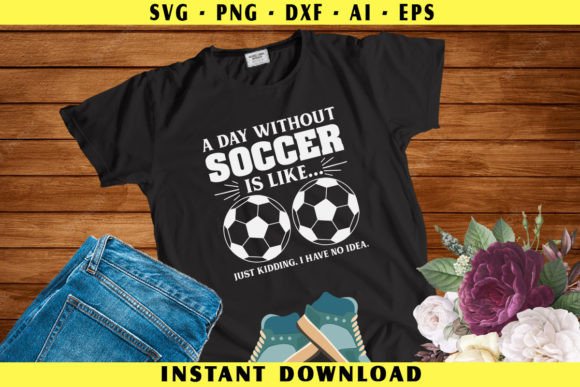
When I first opened A Day Without Soccer is Like, I immediately felt the energy of a passionate sports fan. The design carries a bold, almost defiant mood—it’s the kind of statement that resonates with players, coaches, and die-hard supporters. The phrase itself is incomplete, which is a clever touch. It leaves the customer to fill in the blank mentally, and that small bit of engagement makes the design more personal. From an embroidery standpoint, the typography will likely drive the visual weight. If the letters are clean and well-spaced, the stitched version will read clearly even on textured fabrics. The theme is unmistakably soccer, so it naturally fits into a niche that many small craft businesses target: sports apparel, personalized gifts, and team spirit merchandise.
I could see this as a versatile graphic, originally offered as part of the Graphics category under Crafts, which means it arrives as a digital file—most likely SVG. For embroidery, you’ll need to digitize it, but the core visual personality is what matters first. The message is playful yet meaningful, and that’s a powerful combination for anything from a weekend tournament hoodie to a boutique tote bag.
Choosing the Right Project: Where This Design Shines
Not every design works everywhere, but A Day Without Soccer is Like has a clean, adaptable look. I’d place it comfortably on:
- Unisex sweatshirts – the phrase sits naturally across the chest, like a sports brand logo.
- Canvas tote bags – a large, centered placement turns a basic bag into a statement piece for soccer moms, coaches, or players carrying gear.
- Embroidered patches – trim the design down to a compact size, stitch it on felt or twill, and you have a sellable patch for jackets and backpacks.
- Pillow covers – a subtle, single-color execution in a nursery or game room adds a personalized touch without overpowering the decor.
- Aprons and tea towels – a surprising but effective use; the soccer theme works well for BBQ aprons or kitchen gifts for the soccer-loving cook.
Because the message is universal for soccer fans, it also opens doors to holiday gifts, end-of-season coach presents, and birthday merchandise. The design’s simplicity suggests it will stitch out fast, which is a real advantage for production runs at craft fairs or Etsy shops.
Real-Life Scenario: A Custom Soccer Sweatshirt
I recently tested a concept with a similar typographic sports design, and I can easily picture how A Day Without Soccer is Like would perform in a real project. Imagine a client request: a cozy pullover sweatshirt for a 10-year-old’s birthday, the child obsessed with soccer. The design needs to be bold enough to feel special but not so dense that it stiffens the fabric. I’d digitize the phrase with a satin stitch for the letters, keeping the width moderate—around 4 to 5 inches across the chest. A running stitch would outline any decorative elements, maybe a small soccer ball if the graphic includes one. The stitch angle matters here; I’d angle the satin slightly to avoid long, loose threads that could snag. The result is a lightweight, washable, and very wearable finished product. The child’s face lighting up when they see it—that’s the kind of reaction a well-chosen embroidery design can deliver.
Fabric and Hoop Considerations for Flawless Stitching
When you take A Day Without Soccer is Like from a digital file to a stitched product, fabric choice is critical. I’d recommend:
- Stable woven fabrics like cotton canvas, denim, or twill—they hold the stitch definition beautifully.
- Medium-weight knits such as sweatshirt fleece or interlock—with a proper cut-away stabilizer, the design stays crisp without puckering.
- Avoid thin, stretchy fabrics like lightweight jersey or performance wear if you’re a beginner. The text could distort after washing if the stabilizer isn’t perfect.
- Dark fabrics are a friend to this design. A white or bright thread pops dramatically, and the message becomes the focal point. Just be ready to test your thread tension on dark backgrounds because any tiny gap in the satin will show.
Hoop size is another practical checkpoint. The design likely fits within a 4x4 inch hoop if the text is kept compact, but always confirm the digitized dimensions before you start. For a tote bag, you might want a larger hoop, a 5x7 or even 8x12, to really let the phrase breathe. I always suggest doing a quick paper printout and pinning it to the garment to check scale. That step alone has saved me from wasting stabilizer on a design that looks too small on a finished product.
Stitch Execution: What to Expect from the Graphics
Since the original file is an SVG, you’ll need to convert it into an embroidery file. The good news is that clean typography converts well. Look out for tiny details—if the design has very thin connecting lines or small decorative dots, those might need manual adjustment during digitizing. A competent digitizer can turn this into a design with a mix of satin and fill stitches. I’d avoid making the letters too dense; a stitch density of around 0.4 mm for satin will give a smooth finish without making the fabric bulletproof. If the design includes a graphic element like a soccer ball, consider whether it works better as an applique—that can reduce stitch count and add a textured look that customers love on caps and bags.
Thread color selection is wide open. A classic black and white combo keeps it crisp. For a bolder soccer vibe, red, royal blue, or even neon yellow on a heathered gray sweatshirt looks fantastic. I often test the design in a simple black-and-white mockup first to see if the contrast holds up. If the design loses its punch in grayscale, you’ll need to rethink thread colors for light versus dark fabrics.
Visual Appeal and Customer Perception
From a seller’s perspective, A Day Without Soccer is Like ticks a lot of boxes. It’s instantly recognizable, emotionally engaging, and easy to style. When a customer sees this on a handmade product, they’re not just buying a pillow or a shirt—they’re buying a shared identity. That emotional connection justifies a higher price point and encourages repeat buyers. The design also photographs well for Etsy listings or social media. Its bold typography draws the eye in a thumbnail, and the incomplete phrase makes people stop and think, which is gold for engagement.
For a craft business, consistency is key. This design can become a signature piece across multiple products—a tote, a mug (via printable vinyl), a patch, and a sweatshirt—all carrying the same line. That builds brand recognition and makes your booth or shop feel curated. Just be careful not to overuse it; variety matters, but a strong theme like this can anchor a collection.
Practical Embroidery Designer Notes
Before you stitch A Day Without Soccer is Like on a final product, here’s my tried-and-true checklist:
- Test on scrap fabric first. Use the same fabric type and stabilizer you plan for the real project. Watch for thread breaks, puckering, and misaligned stitches.
- Check thread color contrast. Hold the thread spool against the fabric in natural light. What looks good on the screen might look muddy in reality.
- Review stitch density. If the design feels too heavy, ask your digitizer to reduce density. A stiff patch is a scratchy patch.
- Confirm hoop size. Measure the design’s exact stitch area and add at least half an inch of clearance on all sides for the hoop.
- Inspect small details. Zoom in on the digitized file. Thin serifs or tiny soccer ball patterns might need a bit of cleanup.
- Test on both light and dark backgrounds. A design that looks great on white might lose its charm on navy if the thread colors aren’t adjusted.
- Use the right stabilizer. For knits, a cut-away stabilizer is non-negotiable. For woven tote bags, a tear-away works fine.
- Wash the finished sample. One wash cycle can reveal a lot about how the stitches hold up. Make sure your design survives the laundry.
Every one of these steps applies whether you’re making a single personalized gift or a batch of twenty for a craft fair. Small oversights can hurt your reputation, so never skip the test run.
Licensing and Commercial Use: Read Before You Sell
Since the product description didn’t spell out exact license terms, I strongly advise you to check before you list anything. The description states “You will get all files are” and mentions products like T-Shirt, Hoodie, Mug, Bag, and more, which hints at a broad commercial use. However, as a designer who’s been burned by vague licensing before, I always confirm: can I sell finished physical items? Can I use the design on products I sell at craft fairs? Can I include it in a digital embroidery design bundle I sell to other crafters? Some SVG sellers allow unlimited physical product sales but forbid reselling the digital file. Others have restrictions on print-on-demand platforms. Reach out to the seller if it’s unclear, or look for a standard commercial license included in the download. It’s better to spend two minutes reading a license than to face a takedown notice later.
For embroidery specifically, remember that you’re not using the SVG directly; you’re creating a derivative work. Some licenses require you to purchase an extended license for machine embroidery digitizing. I always play it safe, and I recommend you do the same.
Final Thoughts from the Workroom
I’ve stitched hundreds of sports-themed designs, and A Day Without Soccer is Like has the kind of broad appeal that makes a craft business owner smile. It’s not a complicated, multi-color masterpiece that takes hours to finish. It’s a straightforward, heartfelt statement that resonates with a huge audience. Whether you’re making a single custom sweatshirt for a nephew or launching a whole line of soccer mom merchandise, this design will carry its weight. Just approach it with the same care you’d give any embroidery project: test, prep, and choose materials wisely. When you see the final product, crisp and proud on a well-made item, you’ll know the effort was worth it.
And if you’re still wondering whether a typographic design like this can hold its own in a saturated market—trust me, a well-stitched, cleanly placed phrase on a quality blank can outshine any busy, over-designed competitor. The simplicity is the strength.